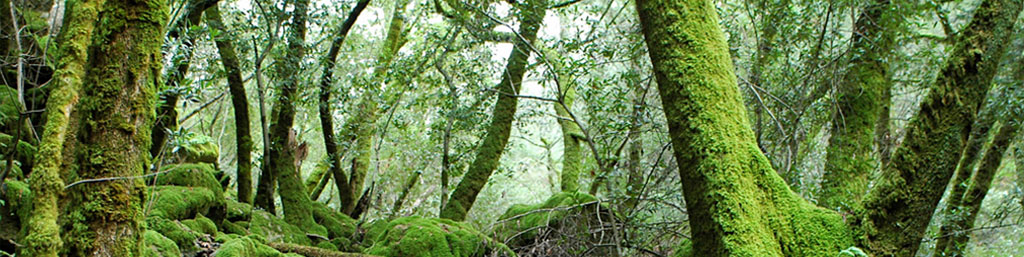

Protecting Places Protects Life
About World Habitat Day
World Habitat Day is observed each year to reflect on the condition of the places where wildlife and people live, and to highlight the importance of protecting natural environments that sustain life on Earth.
Habitat loss remains the leading cause of species decline worldwide. Forests, wetlands, grasslands, coral reefs, and coastal ecosystems continue to be fragmented or destroyed by development, resource extraction, and climate pressure. When habitats disappear, wildlife loses not only shelter, but access to food, migration routes, and long-term survival.
Habitat Conservation Snapshot
- Habitat loss is the primary driver of global biodiversity decline
- Over 75% of land-based environments have been significantly altered by human activity
- Wetlands have declined by more than 85% in some regions
- Forest fragmentation continues to isolate wildlife populations
- Climate change increasingly compounds habitat stress through drought, fire, and flooding
These figures reflect both progress and vulnerability, showing that conservation works only when there is long-term commitment.
FOR YOUR AWARENESS
Habitat protection is not a single-issue concern. It underpins every conservation effort, from endangered species recovery to climate resilience and food security.
Protecting animals without protecting the places they live is not possible.
Habitat is the foundation of biodiversity.
Looking Back / Looking Forward
Looking Back
World Habitat Day was established to bring attention to the rapid transformation of natural landscapes and the long-term consequences of unchecked development. Early conversations focused largely on urban growth and human settlement.
Looking Forward
Today, habitat protection is recognized as a global priority for both wildlife and people. Conservation now emphasizes ecosystem connectivity, protected corridors, and land-use decisions that balance human needs with ecological survival.
The future of conservation depends on protecting entire systems, not isolated species.
Why This Still Matters
Healthy habitats regulate climate, filter water, support food systems, and sustain biodiversity. When habitats degrade, the effects ripple outward, impacting ecosystems and communities far beyond their borders.
Protecting habitat is one of the most effective ways to protect wildlife at scale.
Ways to Help Protect Habitat
- Support land and habitat conservation organizations
- Advocate for responsible land-use policies
- Reduce consumption that drives deforestation and habitat loss
- Support habitat restoration and protection initiatives
- Learn about local ecosystems and how to protect them
Every protected place strengthens the web of life.
Closing Reflection
Saving wildlife always begins with saving the places they call home.