
Gentle Lives, Fragile Habitats
In the Presence Of: Koalas at Currumbin Wildlife Sanctuary
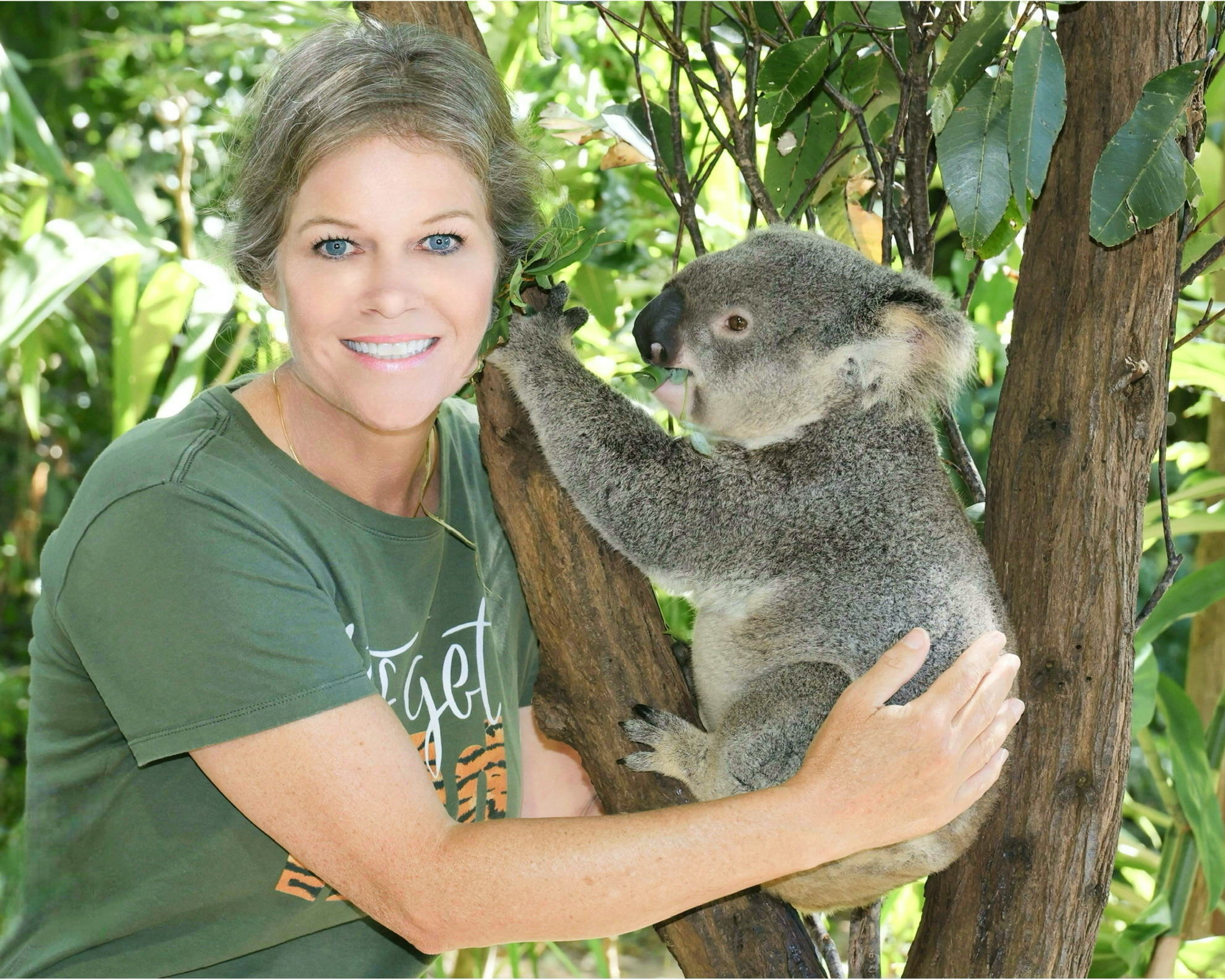
Being in the presence of koalas is not about closeness or novelty. It is about understanding how fragile their lives have become and how carefully human interaction must be managed. At Currumbin Wildlife Sanctuary, every encounter is structured to reduce stress, prioritize animal health, and reinforce the reality that conservation begins with restraint.
Koala Connections Experience
Observation
Observed on site at Currumbin Wildlife Sanctuary, Queensland, Australia.
- Encounters were structured, timed, and supervised by trained wildlife staff
- Koalas were never removed from their trees or natural posture for interaction
- Physical contact was brief, guided, and optional for the animal
- Distance and handling limits were enforced to reduce stress
- Education accompanied every interaction, emphasizing habitat protection and recovery
Ethical wildlife encounters prioritize the animal’s comfort and autonomy over human access.
Koala Care & Conservation Snapshot
- Koalas are listed as Vulnerable on the IUCN Red List
- Survival depends on specific eucalyptus species, making habitat loss especially damaging
- Bushfires, land clearing, disease, and climate stress continue to reduce populations
- Sanctuaries support conservation through rescue, rehabilitation, research, and education
- Long-term protection depends on habitat preservation, wildlife corridors, and policy action
Protection is not about proximity. It is about preserving the systems that allow koalas to remain wild.
FOR YOUR AWARENESS
Koalas are listed as Vulnerable on the IUCN Red List, with some regional populations facing even higher risk. Habitat loss, bushfires, climate change, disease, and urban expansion continue to threaten their survival.
Koalas do not adapt easily to environmental change. Protecting them means protecting the eucalyptus forests they rely on without compromise or fragmentation.
Koalas and Conservation in Australia
Koalas are endemic to Australia, meaning they exist nowhere else on Earth. Their survival is directly tied to specific eucalyptus species, making them especially vulnerable to deforestation and land clearing.
Recent bushfires, combined with increasing development, have dramatically reduced suitable koala habitat. Even when koalas survive fires or displacement, fragmented forests make recovery difficult.
Modern conservation efforts focus on habitat preservation, wildlife corridors, medical care, and public education strategies that protect not just koalas, but entire ecosystems.
Interesting Facts About Koalas
- Koalas sleep 18–22 hours per day, conserving energy for digesting eucalyptus leaves
- Their diet consists almost entirely of specific eucalyptus species, many of which are toxic to other animals
- Koalas have a highly specialized digestive system that allows them to process tough, fibrous leaves
- They have fingerprints nearly indistinguishable from humans
- Koalas are not bears, they are marsupials
- Mothers carry their young (joeys) in a pouch for about six months
- Koalas are excellent climbers and spend most of their lives in trees
- Habitat fragmentation is one of the greatest threats to koala survival
Looking Back / Looking Forward
Looking Back
For many people, koalas are symbols of Australia. They are calm, gentle, and seemingly abundant.
Looking Forward
Today, their future depends on land-use decisions, climate action, and long-term habitat protection. Without intact forests, even the most well-known species can disappear quietly.
Why This Still Matters
Koalas are indicator species. When they struggle, it reflects broader environmental imbalance affecting countless other plants and animals.
Protecting koalas means protecting forests, biodiversity, and ecosystems that support life far beyond a single species. Their survival is inseparable from the health of the places they call home a truth echoed each year on World Habitat Day and every day in between.
Protecting koalas is inseparable from protecting the places they live and a reminder echoed each year on World Habitat Day.
Ways to Help
• Support organizations protecting koala habitat
• Advocate for responsible land use and conservation policy
• Support ethical wildlife education and rehabilitation programs
• Learn about native species and habitat preservation
Closing Reflection
Koalas remind us that gentleness does not equal resilience. Their survival depends not on adaptability but on our restraint.