

Saving The Spotted Banana Slug

Save the native banana slugs! These recycling creatures provide a useful waste management purpose in our ecosystem. When you see them munching on your garden plant, just gently removed them and they will soon find another food source to feed on. Slugs also take care of keeping the forest floor clean of dead and dying debris, so if you need to remove them, please relocate them to the forest where they can continue to do their job of cleaning up!
New Population of Rare Chameleon Found in Madagascar
New population of nearly extinct Madagascar Chameleon Discovered!
Scientist have discovered a new population of the Belalanda Chameleon (furcifer belanlandaensis), boosting hope for one of Madagascar’s rarest chameleons.

Plant A Tree In The Rainforest — Free!
Posted by Guest Blogger Lynn Hasselberger – I Count For My Earth!
Once upon a time, 14% of the earth’s land surface was covered in rainforests.

-
Today, a mere 6% of the earth’s land surface is covered in rainforests.
-
In Brazil alone, one and a half acres of rainforest are lost every second!
-
2.47 acres of rainforest may contain over 750 types of trees and 1500 species of plants, yet we’re losing 137 plant, animal and insect species every single day due to deforestation. That equates to 50,000 species a year!
-
25% of Western pharmaceuticals are derived from rainforest ingredients.
-
Less than 1% of rain forest trees and plants have been tested by scientists–the cure for cancer could be waiting to be discovered.
-
Some scientists call the rain forests the “lungs of the earth.â€
-
One tree can remove 50 pounds of carbon dioxide from the atmosphere each year!
You can make a difference with the Plant 10,000 Trees campaign.
For absolutely no cost (other than a few clicks on the keyboard), you can plant a tropical tree. Just enter your name and email address at www.Plant10000Trees.com. A tree will be planted on your behalf in a protected area of the Brazil rainforest that desperately needs new trees.
The fact that 2011 has been declared The International Year of Forests by the United Nations makes your participation even more meaningful.
Look who’s already planted a tree with Plant 10,000 Trees!


Be next to plant a tree… you could win something!
When you plant a tree with Plant 10,000 Trees, you’ll automatically be entered in a contest for a chance to win natural products from companies like Kiehls, myEARTH360, Rare Elements and others that support the campaign.
The rainforests win either way. Your participation will help to rebuild vast areas of the Atlantic Forest that have been destroyed through logging, oil drilling, and deforestation. 10,000 trees amount to over a million square feet of healthy new rainforest!

More about Plant 10,000 Trees.
Rain Tees and Living Green Magazine have partnered together, hoping to create change and inspire others to do more than read or be part of the deforestation statistics. With your entry into the Plant 10,000 Trees contest, you will instantly plant a tree in the Atlantic Forest region through the Trees for the Future organization and help restore the phenomenal ecosystem that is slipping away from us every second. With every entry, together we can plant 10,000 trees (or more!) and create our own change!
“read more on the I Count for myEARTH blog”.
“Tree Monitors” In Madagascar – Saving The Baobab Forests
According to Georgina Kenyon, who has been writing about science and conservation for over ten years – online, print and for NGOs and a UN agency –
“Madagascar NGO Madagasikara Voakajy (MV) and Fauna & Flora International (FFI) are working with Malagasy ‘tree monitors’ to protect the endangered Grandidier’s baobab in the western Menabe region, in a project funded by the Global Trees Campaign.”


Most Endangered Animal Habitats In The World
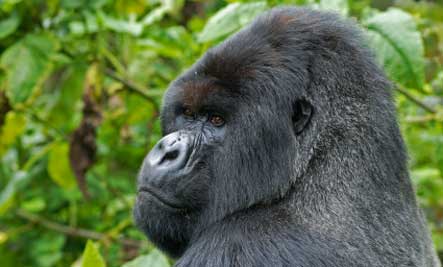
Central Africa
Central Africa’s mountain gorillas might win for the world’s most dangerous habitat, and between habitat destruction and ongoing conflict in the region, their population has been brought to the brink of extinction, with no place to go for refuge. Add the world’s only remaining mountain gorillas living in the mountainous region spanning Uganda, Rwanda, and the Democratic Republic of Congo to the list of reasons to stop the conflict in that region (which means taking a little responsibility for the role our gadgets play in perpetuating it).
[ Related: 10 Most Threatened Animal Species ]
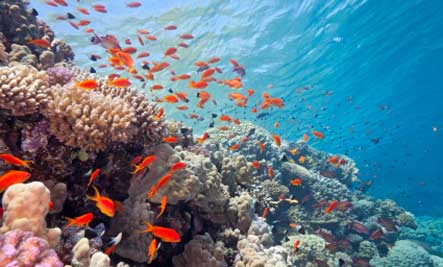
Great Barrier Reef
The Great Barrier Reef is really suffering not only because of climate change, but also because of runoff from the coast of nutrients, fertilizers, pesticides, sewage, and oil. It’s putting the delicate balance of life in the world’s largest reef system in serious jeopardy.
[ Related: 5 Human Habits Harmful to Ocean Health ]
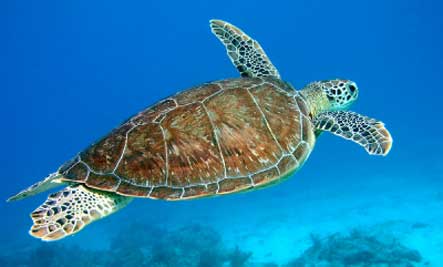
Gulf of Aden
The waters where Somali pirates often strike are also home to plenty of marine life, including many coral species, the Crown Butterfly fish, which is found only in the Red Sea and the Gulf of Aden, and thousands of sea turtles. Female turtles have been tagged and identified as nesting in South Yemen and then recaptured in Somalia, more than 2000 km away.
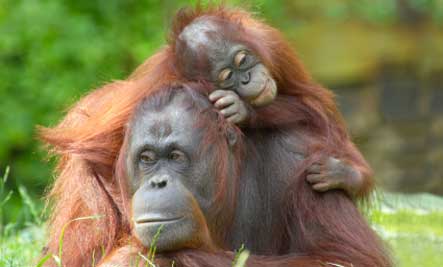
Forests of Indonesia
The orangutans in Indonesia are running out of space to go, too. Logging operations and the global demand for palm oil have nearly wiped out the territory these primates call home, and social conflicts have been on the rise, reports The Ecologist, “as people who depend on forests for their livelihoods are being forced to change their way of life.â€
[ Related: 5 Environmental Crises to Care About ]
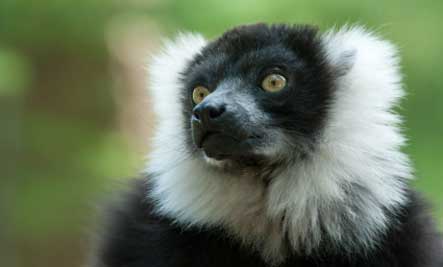
Madagascar
Madagascar is not just a DreamWorks film; it’s a real-life ecological wonderland. But it’s under threat from the usual suspects: deforestation, erosion, exploitation of resources—including hunting and people collecting wild animals—and introduction of alien species.
This is not an exhaustive list, of course. Species are being pushed from their mountaintop habitats, and plant species are threatened in just about every country in the world.
Information Reposted found from Planet Green and written by: By Rachel Cernansky, Planet Green
World’s Worst Oil-Related Disaster In Ecuador
According to the Associated Press, An Ecuadorean judge ruled yesterday in an epic environmental case that Chevron was responsible for oil drilling contamination in a wide swath of Ecuador’s northern jungle and ordered the oil giant to pay $9.5 billion in damages and cleanup costs.

Jason Clay: Saving Biodiversity With Big Brands
.
Convince just 100 key companies to go sustainable, and WWF’s Jason Clay says global markets will shift to protect the planet our consumption has already outgrown. Hear how his extraordinary roundtables are getting big brand rivals to agree on green practices first — before their products duke it out on store shelves.
Richard Preston On The Giant Trees
..
Science writer Richard Preston talks about some of the most enormous living beings on the planet, the giant trees of the US Pacific Northwest. Growing from a tiny seed, they support vast ecosystems — and are still, largely, a mystery.
Global-Local
10 Things You Can Do To

- Save Energy
- Change incandescent light bulbs to CFLs: CFL’s use 2/3 less energy than the standard incandescent light bulb.
- Buy Energy Star appliances
- Turn off lights and appliances when not in use
- Take it from the Tap
-
- Residents of Santa Rosa are fortunate to have a source of very high quality drinking water – Water Quality Report
- Polycarbonate plastic used in plastic bottles leach bisphenol-A, which is linked to birth defects, miscarriage, and prostate cancer.
- Plastic water bottles require 1.5 million barrels of oil each year to make.

-
- Reduce, Reuse, Recycle
- Producing new paper, glass, and metal products from recycled materials saves 70 to 90 percent of the energy and pollution, including CO2, that would result if the product came from virgin materials. Recycling a stack of newspapers only 4 feet high will save a good-sized tree. Please…buy recycled products!
- Conserve Water
- Install low flow showerheads and faucets
- Be a water wise gardener
- Don’t leave water running
- Check for leaky faucets, toilets, and pipes
- Bring your own Bag
- Every year, more than 500 billion plastic bags are distributed, and less than 3% of those bags are recycled. They are typically made of polyethylene and can take up to 1,000 years to biodegrade in landfills that emit harmful greenhouse gases. Reducing your contribution to plastic-bag pollution is as simple as using a cloth bag (or one made of biodegradable plant-based materials) instead of wasting plastic ones. For your next trip to the grocery store, BYOB.
- Buy Local
- Buy locally grown foods
- Support local business. Shop Santa Rosa
- Compost
- Composting done for you: Put your veggies in the yard debris can
- Start your own compost bin!

- Know your Ecological Footprint
- An Ecological Footprint Quiz estimates how much productive land and water you need to support what you use and what you discard. Find out your ecological footprint and ways to reduce your impact at http://www.earthday.net/footprint
- Offset your Carbon Emissions
- Participate in PG&E’s voluntary ClimateSmart Program that allows you to balance out the greenhouse gas emissions that are produced by the energy you use and make your energy use climate neutral.
- Other ways to offset your carbon emissions:
- TerraPass – supports wind and biomass projects (turning methane from cows and landfills into energy).
- Native Energy – supports Native American alternative-energy projects.
- Carbon Fund – non-profit offsetter that supports solar and wind farms, promotes cleaner industry, and plants trees around the world.
- Reduce Car Trips
- Leave your car at home. If you can stay off the road just two days a week, you’ll reduce greenhouse gas emissions by an average of 1,590 pounds per year [Source: EPA]. Combine your errands — hit the post office, grocery store and shoe repair place in one trip. It will save you gas and time.
- Walk or ride your bike to work, school and anywhere you can. You can reduce greenhouse gases while burning some calories and improving your health. If you can’t walk or bike, use mass transit or carpool. Every car not on the road makes a difference.
- Santa Rosa FreeRide Program
– Information Found On The City Of Santa Rosa, CA

