

My Giant Green Iguana “Reef” injured his tail and unfortunately after it turned gangrenous, had to have it surgically amputated.
I first attempted to heal the wound with medication. Unfortunately the tissue began to die and our veterinarian (Dr. Tom Greek) had to removed the dead tissue before it spread to the healthy tissue.
For tail amputation, my iguana was injected with a numbing agent and then his tail was sutured together at the end of the wound. During the healing process, the tail fuses back together and if the iguana is lucky enough, will begin to regenerate.
There are a few factors involved with tail regeneration. Age, Overall Health, and Location of Wound. Due to the age of my iguana (11.5 years old), “only time will tail how much it will re-grow backâ€.
I’m very happy and excited to see his tail growing, even if it grows only a significant amount.
Iguanas in Costa Rica at Iguana Cafe
Ed Kammer and Jungle Jenny

Ed Kammer and Jungle Jenny
This is the most BEAUTIFUL panther chameleon I have ever seen. It’s Ed and Liddy Kammer’s from Kammerflage Kreations. If you are trying to decide where to purchase your next chameleon, call them at 951-738-8388 or email them at: info@chameleonsonly.com
JOIN The United States Association Of Reptile Keepers (USARK)


Wonderful Meeting You All This Weekend
I just wanted to say that it was wonderful meeting you all this weekend in San Diego!
I really enjoyed talking to Jason from the Southern California Herpetology Association, Susan Nowicke from the San Diego Herpetological Society, Andrew Wyatt and Dog Price from the US Ark Conservation Trust, Scott and Nicole Powley from Powley Exotic Reptiles, David Kemp from Kemp’s Reptile Incubators, Lonnie Cornel from Dakine Exotics, William “Randy” Whitmire and Lisa Tzanakos from Alpha Dragonz, Scott Austin from Scott Austin Reptiles, Jim McDonald from Jim’s Western Hognose, Michael Monge from FLCHAMS, Loren from LLL Reptile, Randy Duncan and his lovely wife who are both members of the Horned Lizard Conservation Society, David Rasnick of David Rasnick Jewelry Design, Julie tenBensel from Chamo Wear, Inc, and lastly, Judy and the wonderful team at Zoo Med Laboratories, Inc.
Sending lots of love and light to you all today!

I just love Chameleons!
Parson Chameleon

Calumma parsonii parsonii
Photo of Male Parson Chameleon in it’s natural habitat taken by Jungle Jenny in Madagascar.
Three-Toed Sloth
Hello world!

Jungle Jenny with Coral & Reef
Welcome to my Blog!
I’m an animal and nature enthusiast, passionate wildlife photographer and eco trekker who loves to travel and see animals in their natural habitat.
I will be educating and informing you about reptiles and exotic animals living in both the wild and in captivity. I will also discuss conservation and wildlife tourism, where people have the privilege of experiencing wildlife and the wilderness worldwide.
National Wildlife Day
Why Awareness Must Be Ongoing
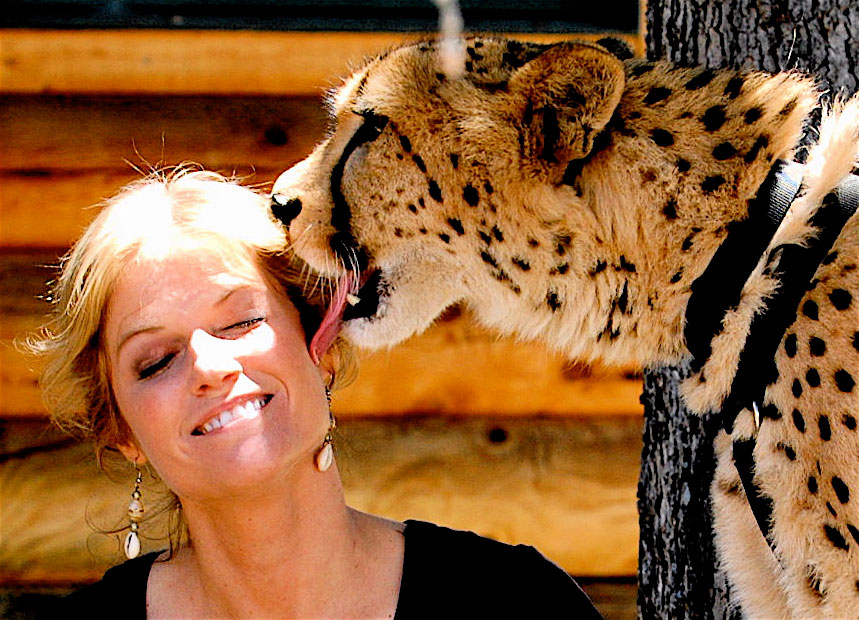
National Wildlife Day serves to bring awareness to the number of endangered animals nationally as well as globally, that need to be preserved and rescued from their demise each year, but also to acknowledge U.S. zoos and outstanding animal sanctuaries for everything they do to help preserve this planet’s animals and educate the public about conservation – especially to children….our animal’s future caretakers and conservationists!
For more info, go to the National Wildlife Day‘s website
FOR YOUR AWARENESS
National Wildlife Day is not about a single species or a single moment in time. It exists to remind us that wildlife protection requires consistent attention, ethical choices, and long-term commitment — even when animals are out of sight or no longer trending.
Awareness is only meaningful when it continues beyond the calendar.
Looking Back / Looking Forward
Looking Back
When this post was first written, National Wildlife Day felt like an opportunity to pause and reflect on the beauty and vulnerability of wildlife around the world.
Looking Forward
Today, it feels even more important to move beyond reflection and toward responsibility — supporting conservation efforts that protect ecosystems, reduce conflict, and allow wildlife to exist without constant human pressure.
Why This Still Matters
Wildlife does not operate on schedules or awareness days.
Habitat loss, climate change, pollution, and human expansion affect animals continuously.
Protecting wildlife means staying engaged even when it’s inconvenient and advocating for protection that prioritizes ecosystems over access.
Ways to Help
• Support conservation organizations working directly in the field
• Protect habitats locally and globally
• Share accurate, science-based information
• Make ethical choices that reduce harm to wildlife
Closing Reflection
Speaking up for wildlife is not a one-day action.
It’s a practice rooted in awareness, restraint, and respect.